What is a Home Funeral?
What Is a Home Funeral?
A gentler, more personal way to care for someone after death
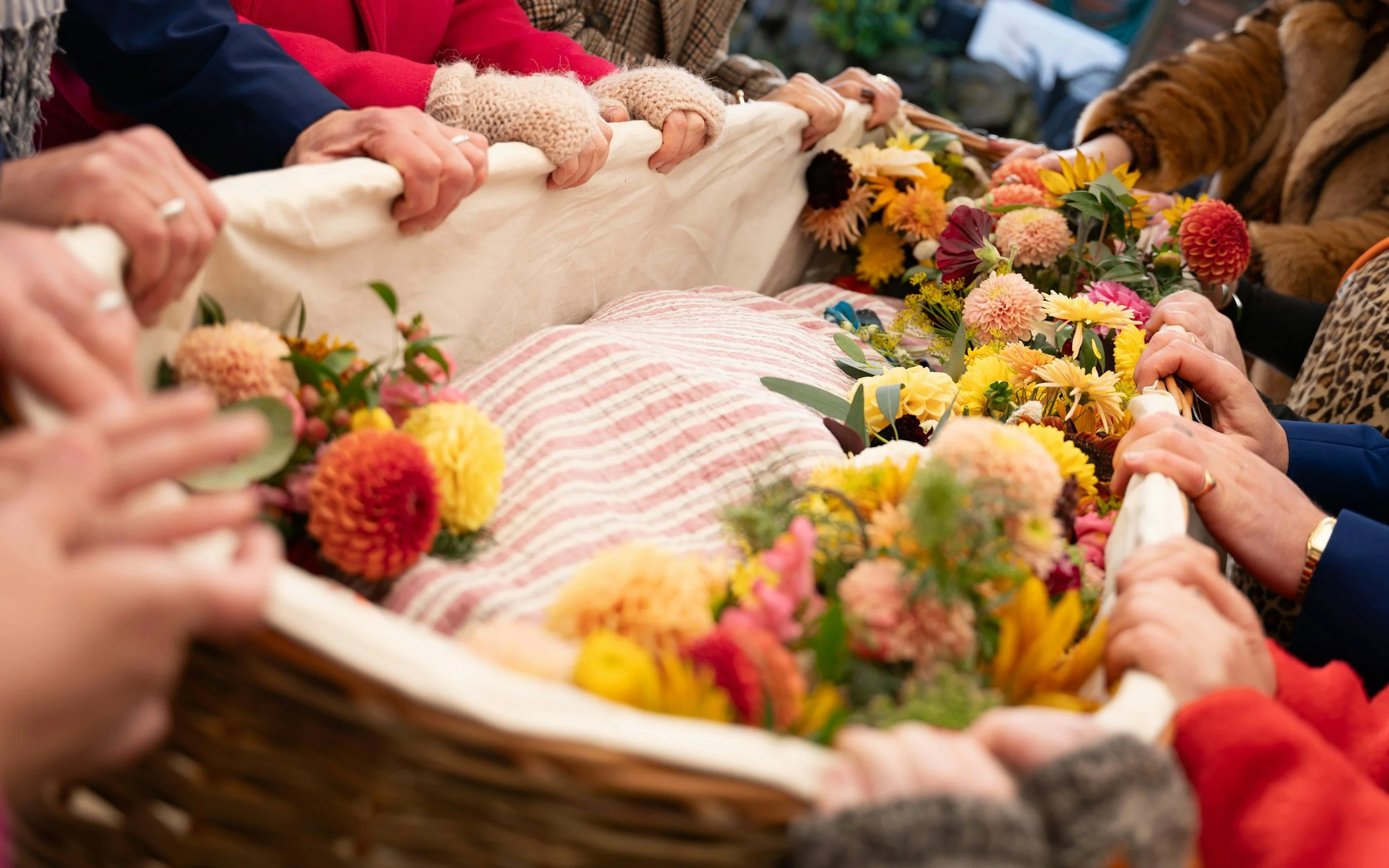
Most people assume that when someone dies, the body has to be taken away immediately. They imagine a quick call to the funeral home, paperwork, appointments, and a service scheduled around business hours.
But that hasn’t always been the way we cared for our dead.
For most of human history, death happened at home. Families washed the body, kept vigil in the living room, invited neighbors in to sit, pray, eat, and tell stories. It was hands-on, familiar, and deeply personal.
A home funeral is simply a return to that kind of care.
It means keeping your loved one at home after death and tending to them there, with the help of family, community, and sometimes a death doula or home funeral guide. It can last a few hours or a few days, depending on your wishes and local regulations.
And in most places, it is completely legal.
Many families just don’t know it’s an option.
What does a home funeral actually look like?
There is no single script for a home funeral. Every family, culture, and person is different. That’s part of what makes it so meaningful.
A home funeral might include:
Washing and dressing or shrouding the body
Setting up a peaceful space in the home
Lighting candles, playing music, or placing flowers
Inviting friends and family to come and say goodbye
Sitting vigil through the night
Sharing stories, prayers, or quiet moments together
Participating in the closing of the casket or shroud
Accompanying the body to burial or cremation
Some families keep it very simple and quiet. Others create beautiful, personalized rituals that reflect their culture, spirituality, or the personality of the person who died.
There is no “right” way to do this. The intention is simply to be present and care for your person with your own hands and hearts.
Why families choose a home funeral
It creates space for a more personal goodbye
When a body is taken away quickly, grief can feel abrupt and disorienting. A home funeral gives families unhurried time together. You can sit beside them, hold their hand, talk to them, cry, laugh, or just be in the same room.
This time helps the reality of the death settle in gently.
It allows you to participate in the care
Many people are surprised by how meaningful it feels to help wash, dress, or shroud the body. These simple acts can be incredibly tender. They often feel like a final expression of love, especially after a long illness or caregiving journey.
Instead of everything being done behind closed doors, you are part of the process.
It supports a healthier grieving process
When families spend time with the body, grief has more room to unfold naturally. There is less shock and less sense of being rushed from one step to the next.
Children, in particular, often benefit from being included in age-appropriate ways. It gives them a chance to understand what has happened, ask questions, and say goodbye in their own way.
It makes room for cultural and spiritual traditions
Funeral homes operate on schedules. Home funerals are guided by the needs of the family.
At home, you can:
Pray or sing through the night
Burn candles or incense
Cook favorite meals
Decorate the space with meaningful objects
Welcome people in as they are able to come
It becomes a living, breathing ritual rather than a time slot.
It can reduce financial stress
Home funerals are often far less expensive than conventional services. Families may choose:
Simple shrouds instead of caskets
Direct burial or cremation
Community-led ceremonies
Handmade memorial items
This can remove a significant amount of pressure during an already emotional time.
Why this option matters
In modern culture, death is often hidden away. Many people never see a body after death. They never touch their loved one, never sit with them, never take part in the final acts of care.
For some, that distance feels easier. For others, it leaves a quiet sense of regret.
A home funeral gives families the chance to:
Slow down the pace of everything
Stay close to the person who died
Create meaningful, personal rituals
Feel a sense of agency during a time that can feel powerless
Lean on community instead of navigating grief alone
For many families, those days at home become some of the most sacred memories they carry forward.
Is a home funeral right for everyone?
Not always.
Some deaths are sudden. Some living situations don’t allow for it. Some families feel more comfortable with a traditional funeral home setting, and that is completely valid.
But many people never consider a home funeral simply because they’ve never heard of it.
And when they learn it’s possible, they often say the same thing:
“I wish we had known.”
You don’t have to do this alone
Choosing a home funeral doesn’t mean you have to figure everything out by yourself.
A death doula or home funeral guide can help with:
Understanding local laws and paperwork
Guiding gentle body care
Creating a meaningful space at home
Coordinating transportation and final disposition
Supporting the emotional and spiritual needs of the family
You remain in charge. The support is there to make the process feel less overwhelming and more grounded.
A home funeral isn’t a trend or an alternative lifestyle choice. It is a return to something deeply human: caring for our own, in our own spaces, surrounded by love.
If this feels like something you’d want for yourself or someone you love, it may be worth starting the conversation now, long before it’s needed.
