
How I Support Families Through a Home Funeral
Choosing a home funeral can feel meaningful and right and also unfamiliar. Most of us were never shown how to care for our dead, even though families did this for generations. My role is to walk beside you so you feel informed, supported, and confident every step of the way.
I do not replace your family’s role. I help you feel able to step into it.
What My Support Can Look Like
Every home funeral is different. Some families want hands-on guidance; others want quiet reassurance in the background. I meet you where you are.
Guidance Immediately After Death
When death occurs, emotions and logistics arrive at the same time. I help you:
Understand what to expect physically after death
Slow the moment down so you can be present
Begin gentle, respectful body care
Create a calm, meaningful environment
You are not rushed. There is time.
Body Care Support
Families often worry they will “do something wrong.” In truth, caring for a body can be simple, reverent, and deeply healing.
I can guide you in:
Washing and anointing the body
Dressing your loved one
Positioning the body comfortably
Using cooling methods (like dry ice)
Creating a peaceful vigil space
You choose your level of involvement. Some people participate fully; others sit nearby and witness. Both are enough.
Holding the Body at Home
Keeping someone at home for a day or more allows space for reality to settle and for connection to continue.
I support you with:
Setting up the room or area
Helping children and family members understand what they’re seeing
Navigating visits from friends and community
Creating rituals, music, prayer, storytelling, or quiet time
Maintaining the body respectfully during the vigil
This time often becomes one of the most meaningful parts of the grieving process.
Paperwork & Practical Navigation
The legal side can feel intimidating, but it is manageable with guidance. I help you understand:
How the death certificate process works
Who to contact and when
Transport options
What to expect with burial or cremation
How to communicate with officials or providers if needed
I do not act as a funeral director, but I help you understand the steps so you feel steady and informed.
Ceremony & Ritual
A home funeral can include anything from a quiet family moment to a full community gathering.
I can help you:
Plan a simple ceremony at home
Involve family and friends in meaningful ways
Create space for storytelling and memory sharing
Blend spiritual, cultural, or personal traditions
Mark the transition when it’s time for final disposition
Ritual gives shape to grief. It helps the heart understand what the mind is still catching up to.
Support at the Time of Final Goodbye
When it’s time for burial or cremation, this moment can feel tender and surreal. I help by:
Preparing the family emotionally
Supporting you during transfer
Holding grounding space
Ensuring the goodbye happens with intention, not rush
My Role as Your Home Funeral Guide
I am here to:
Educate
Normalize what you are experiencing
Offer calm presence
Support your decisions
Help you trust yourselves
You are capable of caring for your own. My role is to help you remember that.
Who This Is For
Home funeral support may be right for families who:
Want time with their loved one after death
Prefer a more natural, family-led process
Wish to be hands-on in care and ritual
Value intimacy, meaning, and participation
Feel called to a more personal way of saying goodbye
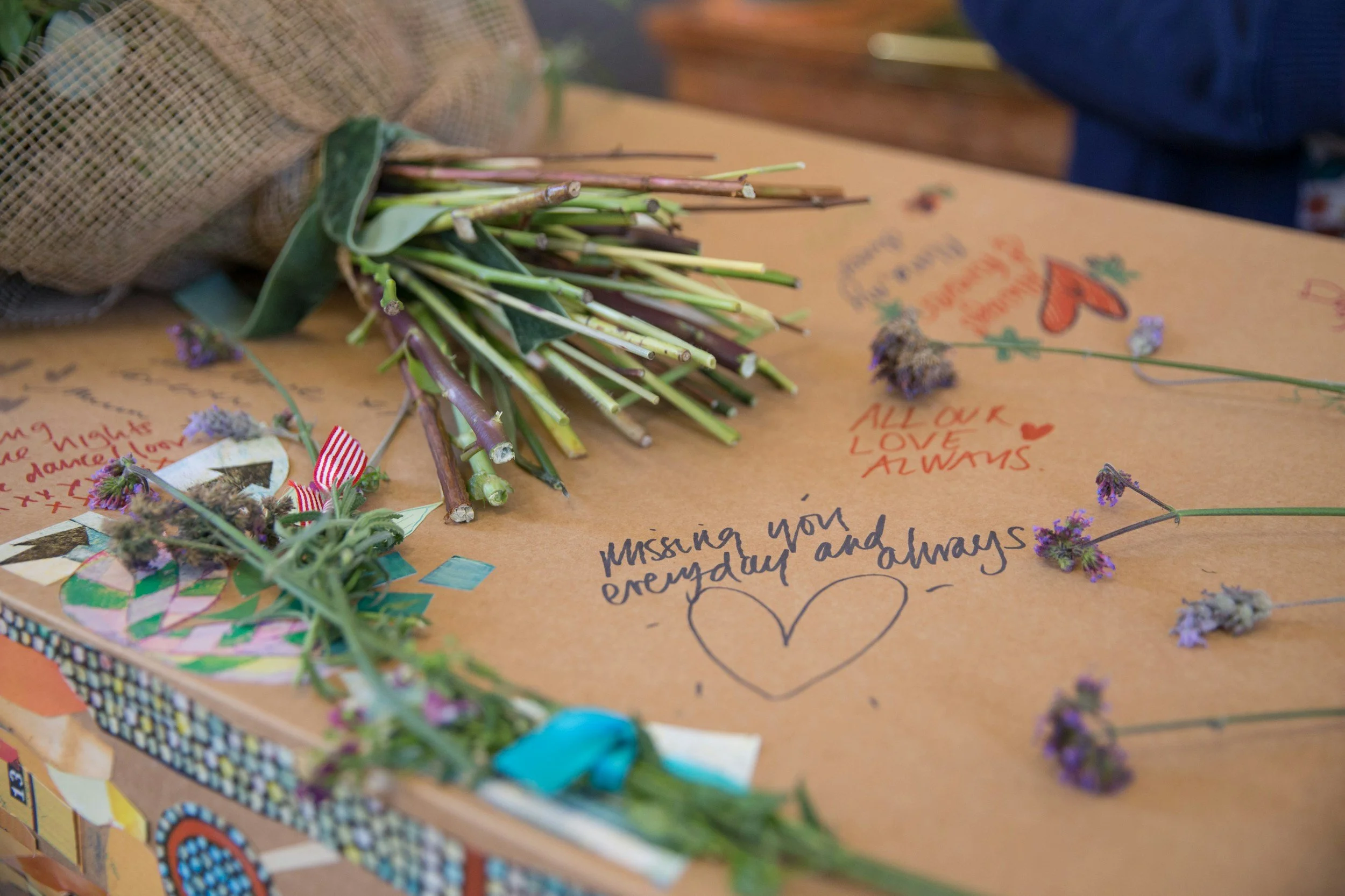

What a Home Funeral Can Look Like
When Maria died at home, her family wasn’t sure what to do next. There were tears, quiet, and the sense that everything had changed in an instant.
Instead of rushing, they paused.
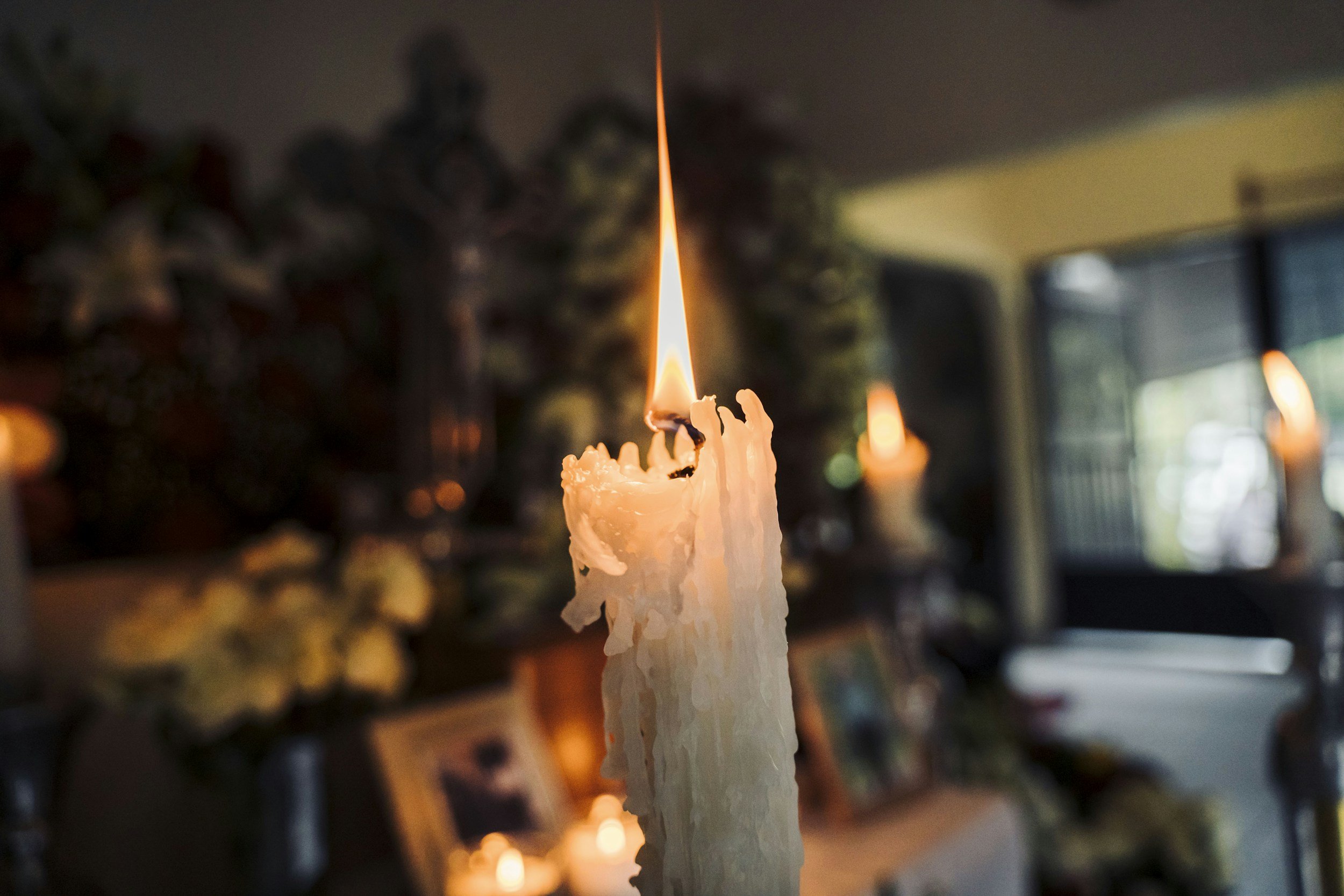
We opened a window slightly, lit a candle, and gave everyone a moment to sit with her. Her daughter helped brush her hair. Her grandson chose music Maria loved. Together, the family washed her hands and placed her in the soft sweater she always wore on Sundays.
Over the next two days, friends came by in small groups. Some cried. Some told stories. Some sat in silence. Children drew pictures and placed them beside her.
In the evenings, the family gathered, shared food, and talked — not just about her death, but her life. Laughter and grief lived in the same room.
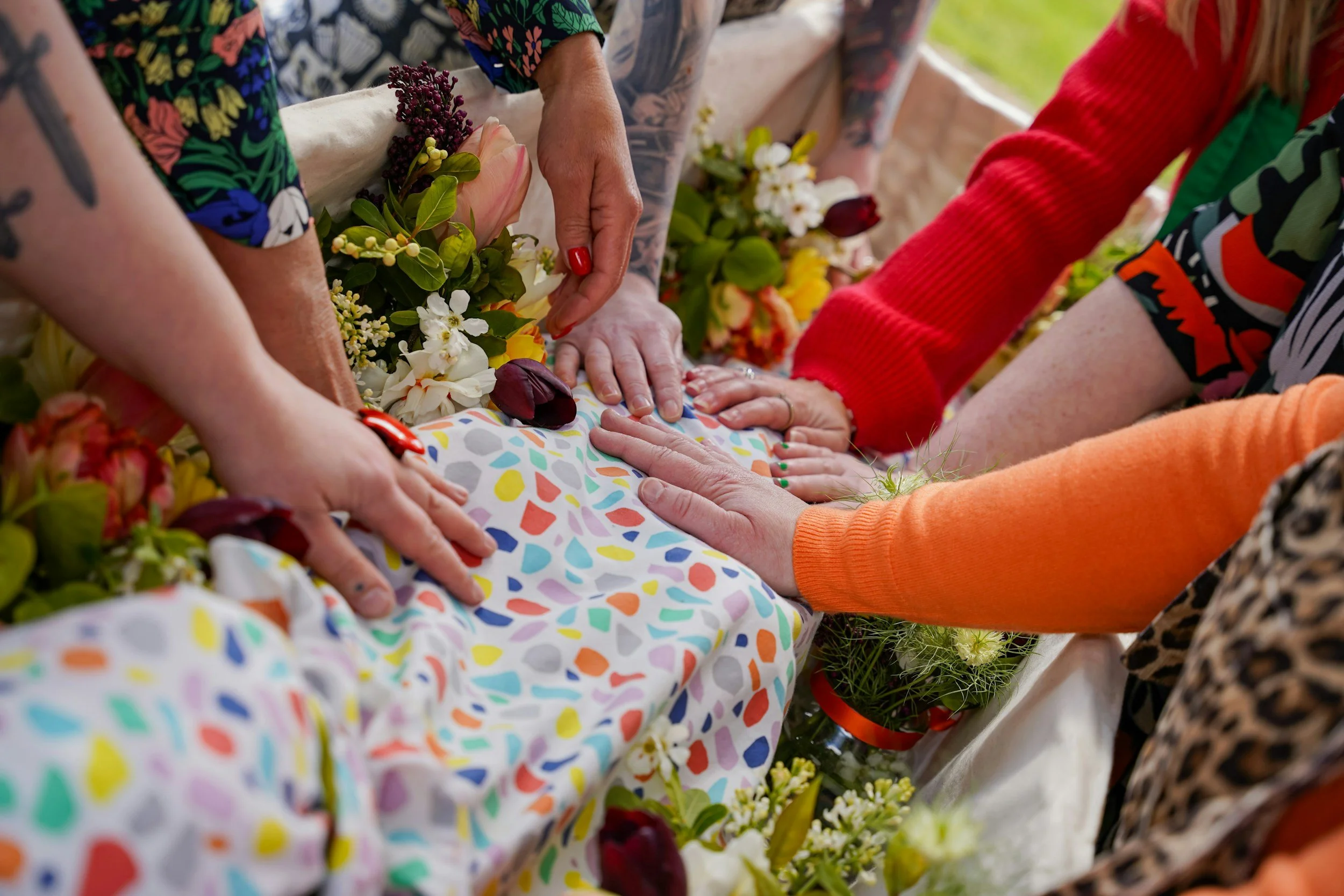
When it was time for her body to be taken for burial, there were no sudden movements. No strangers taking over. The family stood together, said goodbye, and walked her out with intention.
Later, they shared that those days at home changed their grief. It felt real, loving, and complete in a way they hadn’t known was possible.
Every home funeral is different. But many share this: time, presence, and the chance to care for someone one last time.
What Families Often Worry About
“What if we do something wrong?”
This is the most common fear. The truth is that caring for someone after death is slower and gentler than people imagine. I offer clear guidance and steady reassurance, so you feel supported, not alone.
“Will it be overwhelming emotionally?”
Grief is already overwhelming. A home funeral doesn’t create grief — it often helps people move through it with more connection, meaning, and support. You are never required to do more than you can.
“What will the body look like?”
I explain physical changes in simple, respectful ways before you see them. Understanding reduces fear. Most families describe the experience as more peaceful than they expected.
“What will other people think?”
This is a deeply personal choice. Many families find that once they explain their intentions, friends and community respond with respect and even gratitude for being included.
“I don’t think I’m strong enough for this.”
You don’t have to be strong. You only have to be present in the way you can. This is shared work. Support, rest, and guidance are part of the process.
-
Yes. In Virginia, families are allowed to care for their own loved one after death and hold a home funeral, as long as required paperwork is completed. I help you understand those steps, so you feel confident and informed.
-
No. This is not about pressure — it’s about choice. Some families are very hands-on. Others want guidance and presence but minimal physical involvement. Your level of participation is always your decision.
-
That is very common. Nothing is forced. I gently explain what to expect and help create a calm, peaceful environment. Many fears ease once people understand what is happening and feel supported.
-
Often one to three days, depending on cooling methods and family wishes. I guide you in respectful body care and help monitor comfort and timing.
-
Yes, when supported appropriately. Being included can help children understand death in a healthy, grounded way. I help families talk with children and prepare them gently.
-
No. I am a guide and support person, not a funeral director. My role is to educate, emotionally support, and help families navigate the process so they can make informed choices.
-
Not at all. Home funerals can be spiritual, religious, or completely secular. We shape the experience around your values and traditions.